- Sun, 13 September 2026

Take your phone and open your photo gallery.
Before you continue reading, spend a minute scrolling through your recent photographs. How many are there? What do you photograph most often? What catches your attention? Is there anything that surprises you? And if somebody who did not know you looked only at your photo gallery, what might they learn about you?
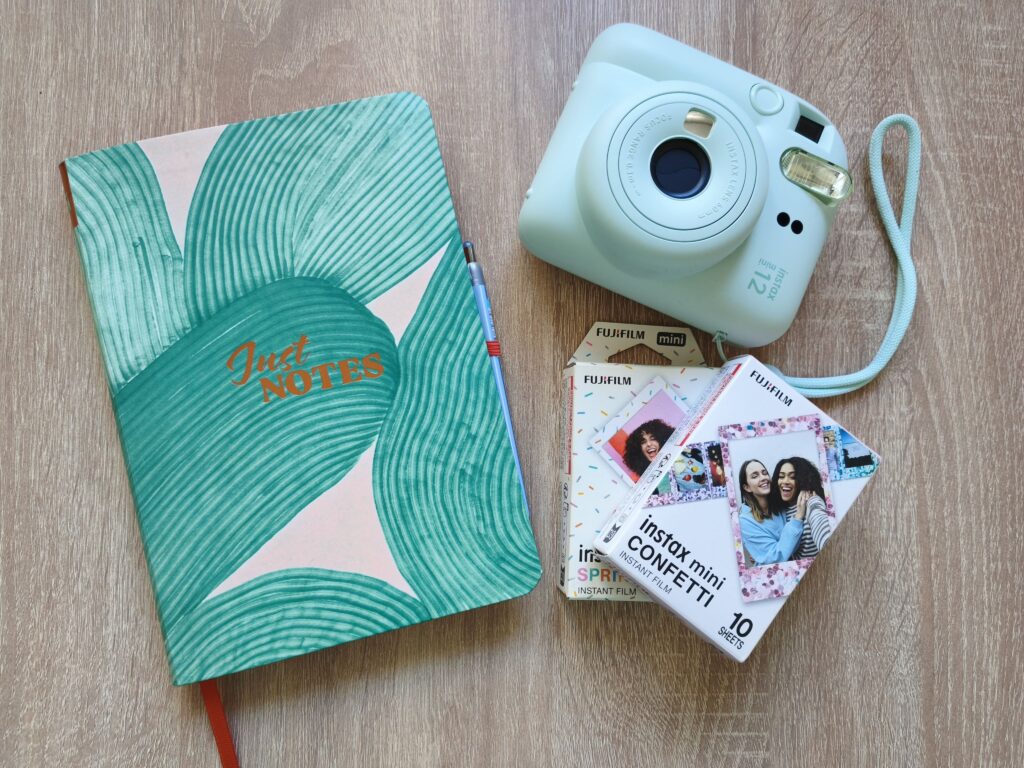
For my 40th birthday earlier this year, I received a small instant camera and a pack of instant film. I loved the gift immediately. There was something about it that reminded me of the uniqueness of a photograph. You press the button once, the photograph comes out, and that is the photograph you have. No choosing between fifteen almost identical versions. No deleting it because somebody closed their eyes. No editing before deciding whether it is good enough to keep. Since receiving it, I have taken only two photographs. The camera is still there, carefully kept, waiting for a moment that somehow feels special enough to capture in this way.
It made me think about how our relationship with photography has changed.
I remember times when taking photographs was connected with particular occasions. At family celebrations, we would sometimes call a photographer. We would gather, stand together, wait for the photograph to be taken and then wait again for the film to be developed. There were fewer photographs, and each one seemed to have its own place in an album, a frame or a box we would return to years later.
Today, my phone is always close. I can take ten photographs of the same cup of coffee, twenty of my children trying to get one where everybody looks towards the camera, a tree from three different angles, my notebook, the sky, something I want to remember, and a screenshot I will probably never look at again. And I wonder: has photography lost some of its uniqueness because it has become so available?
Or has the digital world given us something else? The possibility to notice more, experiment with different frames, capture ordinary moments and keep many more pieces of our everyday lives?
Maybe our photo galleries can tell us something about that. And perhaps they can tell us something about ourselves too.
When we look through our photographs, we can see what we chose to capture: people, places, details, moments and things that made us stop for a second. In that sense, our photo gallery can become a kind of unplanned visual diary and a possible space for reflection.
I have written before about creativity as part of my reflective practice and about different ways we can create spaces for thinking. In this article, I wanted to explore one specific area within that broader topic: the use of photography in reflective practice.
Photography has been part of my own reflective practice for several years. Two years ago, together with photographer Jelena Djuricic, I created Fusion Reflections, a set of cards combining photographs and reflective questions. Since then, I have seen them used by coaches, supervisors and leaders working in different industries, as well as by people for their own reflection, and have seen how the same photograph can open very different perspectives.
Recently, the work of my colleague Dorota Raniszewska has inspired me to think even more about the role photography can have in reflective practice. Dorota is an EMCC Master Practitioner and accredited supervisor (ESIA) from Poland who has been exploring and writing about the use of photography in coaching and personal development. I am also fortunate (as a volunteer of EMCC Continuous Personal and Professional Center for Excellence) to have an opportunity to join her in writing a white paper exploring the benefits of photography in coaching.
In her article Photography in Coaching and Personal Development, Dorota describes how photography can stimulate thinking, reflection and cognition. She uses the term visual reflection for the process of considering what we see in an image and what we feel in response to it.
When we spend time looking at an image, we may begin with what is visible. Then associations, memories, emotions, metaphors or details we did not notice at first may appear and we may, to use Dorota’s words, “become visible to ourselves”.
Photography can give us another way to explore our experiences and ourselves, and we do not need to be photographers or have any special equipment to use it for reflection.
If this article has inspired you to explore photography as part of your own reflective practice, here is one small experiment you can try.
For the next week, try taking photographs intentionally. Photograph moments, people, objects, places or details that feel important to you. There is no need to create beautiful photographs or decide in advance what they should represent. Just notice what you want to capture and take the photograph.
At the end of the week, look through the photographs.
What do you notice?
What did you choose to capture?
What seems important when you look at the photographs now?
What surprised you?
Is there something connecting some of the photographs?
What do they tell you about your week?
And what do they help you notice about yourself?
If you decide to try the experiment and would like to share a photograph or something you noticed while doing it, I would love to hear from you.
P.S. If this topic inspires you, Dorota is also organizing the Images of Peace International Symposium this November, with an open invitation to contribute to the global photography showcase by sharing your own image of peace and a short reflection. I have already contributed mine. 🙂 You can find more information on this link:
https://photo-in-coaching.com/symposium/
Photo credit:
Authors personal photo of mentioned notebook and camera
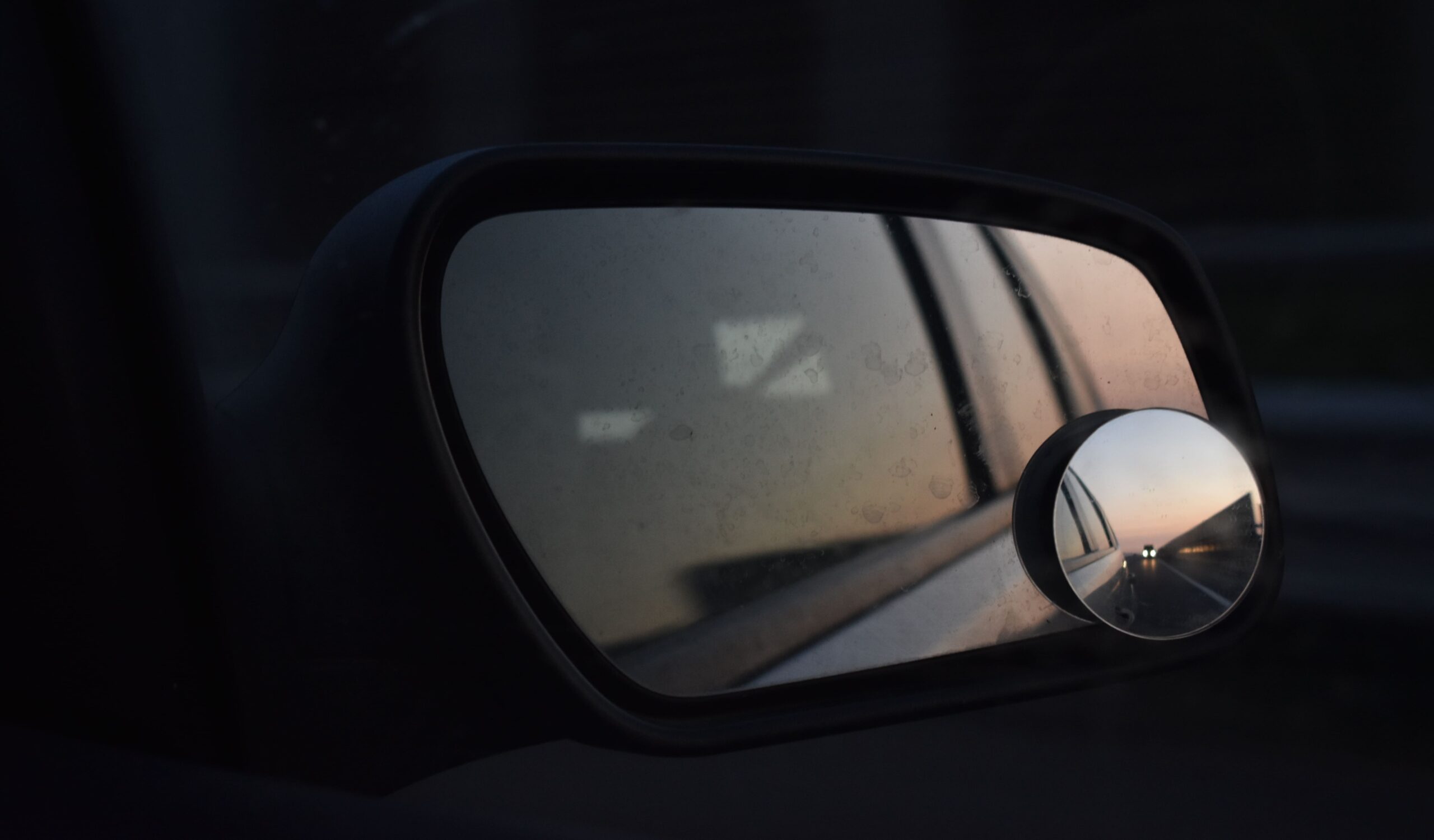
Photo from Fusion Reflections tool, made by Jelena Đuričić


Sign up our newsletter to get update information, news and free insight.