- Wed, 7 October 2026

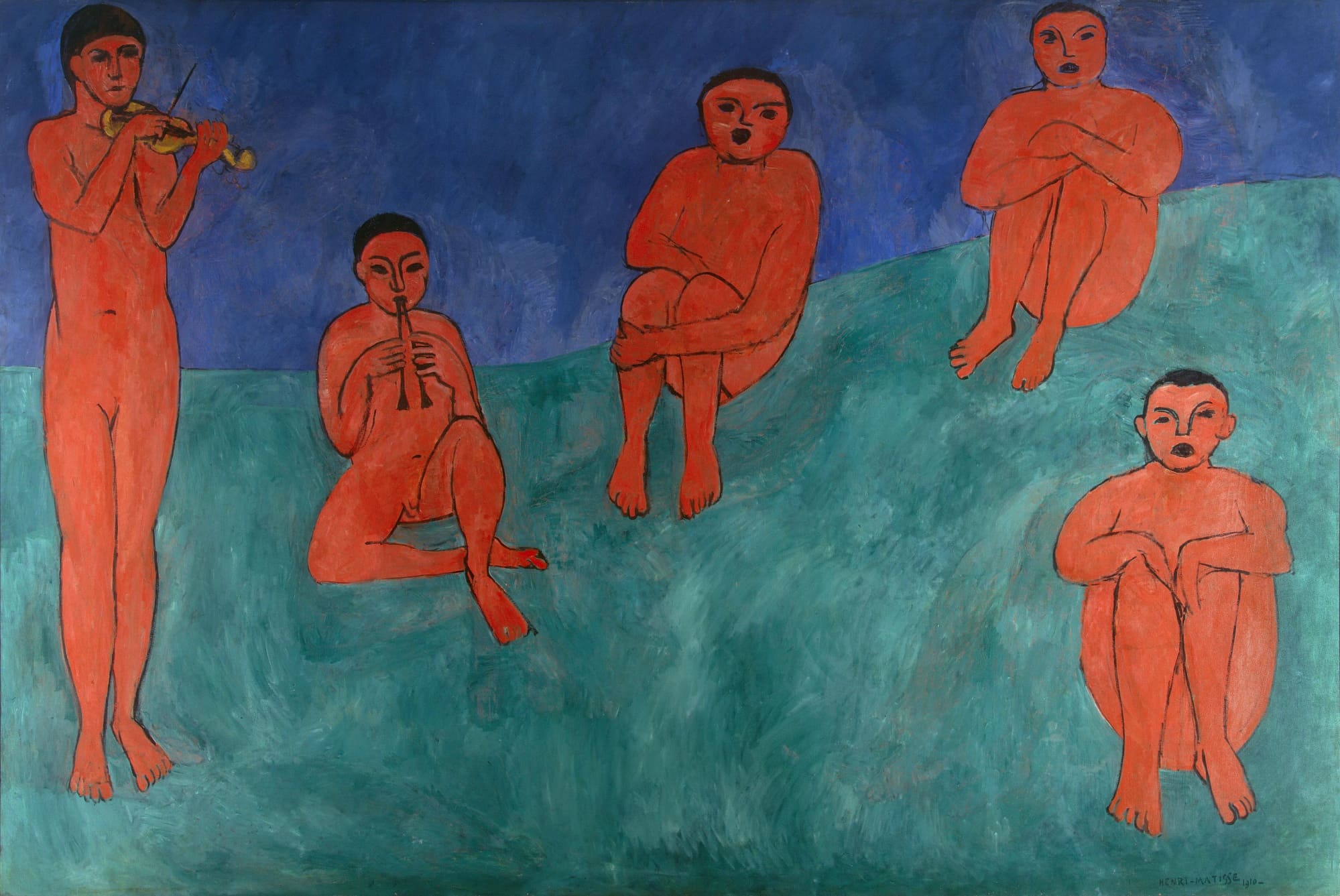
We continue to overestimate the role of words in coaching, leadership, and organisational life.
In a world shaped by complexity, uncertainty, and constant change, many of the challenges we face cannot be fully understood or transformed through rational analysis and conversation alone.
Some of the most important and valuable shifts begin elsewhere: in perception, emotion, intuition, and embodied experience.
What I share here is not informed by research and professional practice. It is also the result of my own experience as both an artist and a coach.
Over the years, I have observed how art, creativity and beauty can open pathways to awareness, insight, connection and transformation, both in my artistic practice and in my work with clients. This experience gradually shaped the way I coach, mentor, supervise, listen and accompany change.
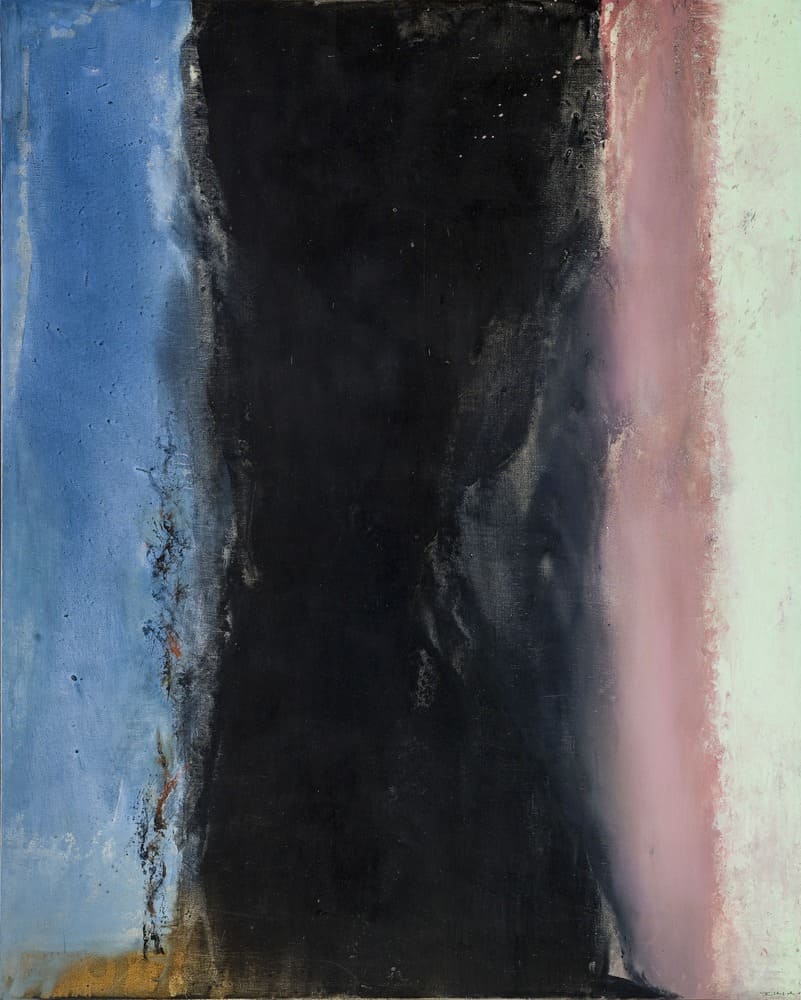
Art acts directly on perception, emotion, and cognition.
Whether we are listening to music, contemplating a painting, reading a poem, or engaging with a photograph, artistic experiences can awaken emotions, evoke memories, stimulate reflection, and create meaning. They help us connect with ourselves, with others, and with aspects of experience that are often difficult to access through language alone.
For example, listening to few notes of music or looking at a painting, can instantly evoke an emotion, a memory, a sensation or a shift of mood without any conscious effort or musical expertise. It reminds us that as human beings we experience the world through feelings, sensations, resonance, and meaning.
Artistic experiences engage emotional and cognitive processes simultaneously. They deepen attention, foster empathy, broaden perspective, and strengthen our sensitivity to what is happening within and around us.
In this sense, art is not decorative. It is perceptual. It changes the way we see, feel, and relate.
The creative process operates differently. When we actively engage in creating, through drawing, painting, writing, clay work, music, photography or other forms of artistic expression, we enter a process of slowing down, exploration, and discovery.
Research suggests that creative activities can engage the brain’s motivation and reward systems, support attention and learning, enhance emotional regulation, and contribute to physical, emotional, and psychological well-being.
More importantly, creative practice encourages experimentation, flexibility, and openness to uncertainty. By inviting us to let go of predetermined outcomes, it creates the conditions for flow, insight, innovation, and the emergence of new possibilities.
Creativity is not a skill reserved for artists. It is a fundamental human capacity that supports learning, innovation and transformation.
From a coaching, mentoring and supervision perspective, the creative process offers access to a different form of intelligence, one that integrates cognition, emotion, intuition, sensitivity and embodied awareness.
Beyond perception and creativity lies another dimension: beauty.
Beauty is not limited to aesthetics. It can emerge in a moment of clarity, a shared silence, a meaningful encounter, a piece of music, a work of art or a shift in perspective. It is often subtle but deeply affecting.
Experiences of beauty create presence. They slow us down. They invite us to pay attention. They reconnect us with meaning, coherence, and what matters most.
In organisational life, where speed, efficiency and performance often dominate, Art and beauty reintroduce a sense of humanity, presence, attention and connection to self, others, the world.
As both an artist and a coach, I do not separate art, creativity, and beauty from my coaching, mentoring, and supervision practice.
They are not techniques applied from the outside. They are part of how I listen, perceive, reflect, and accompany transformation.
In my practice, I use drawing, painting, clay work, writing, photography, poetry and music. These modalities are not used to produce artistic outcomes, but to support awareness, reflexivity, dialogue and transformation.
They create spaces where people can think differently, feel more deeply, and access new perspectives that might otherwise remain hidden.
For leaders, teams, and organisations, this has significant implications.
Shared artistic experiences can create moments of collective resonance. Listening to music together, contemplating a painting, engaging with poetry or participating in a creative process can help teams connect though shared emotions, perceptions, and experiences.
These moments foster empathy, strengthen belonging and cultivate the sensitivity that lies at the heart of meaningful collaboration.
In a time when organisations are seeking greater innovation, engagement, and adaptability, the arts offer more than inspiration. They offer a way of developing human capacities that are increasingly essential.
Beyond perception and creativity lies another dimension: beauty.
Beauty is not limited to aesthetics. It can emerge in a moment of clarity, a shared silence, a meaningful encounter, a piece of music, a work of art or a shift in perspective. It is often subtle but deeply affecting.
Experiences of beauty create presence. They slow us down. They invite us to pay attention. They reconnect us with meaning, coherence, and what matters most.
In organisational life, where speed, efficiency and performance often dominate, Art and beauty reintroduce a sense of humanity, presence, attention and connection to self, others, the world.
As both an artist and a coach, I do not separate art, creativity, and beauty from my coaching, mentoring, and supervision practice.
They are not techniques applied from the outside. They are part of how I listen, perceive, reflect, and accompany transformation.
In my practice, I use drawing, painting, clay work, writing, photography, poetry and music. These modalities are not used to produce artistic outcomes, but to support awareness, reflexivity, dialogue and transformation.
They create spaces where people can think differently, feel more deeply, and access new perspectives that might otherwise remain hidden.
For leaders, teams, and organisations, this has significant implications. Shared artistic experiences can create moments of collective resonance. Listening to music together, contemplating a painting, engaging with poetry or participating in a creative process can help teams connect though shared emotions, perceptions, and experiences.
These moments foster empathy, strengthen belonging and cultivate the sensitivity that lies at the heart of meaningful collaboration.
In a time when organisations are seeking greater innovation, engagement, and adaptability, the arts offer more than inspiration. They offer a way of developing human capacities that are increasingly essential.
Art offers a language beyond words.
Creativity offers a pathway beyond habitual thinking.
Beauty offers a way of reconnecting with meaning and humanity.
Together, they expand what is possible in coaching, leadership, and organisational life.
They do not replace rational thinking. They complete it.
What becomes possible for you, your team, or your organisation when you move beyond words alone?
What impact might this have on the way you think, feel, connect collaborate, innovate and lead?
Sign up our newsletter to get update information, news and free insight.