- Fri, 9 October 2026


You give your team clear direction. One person takes off running. Another asks five clarifying questions. A third pushes back. A fourth nods along but raises a concern three days later that changes everything.
Same message, same room, four different responses.
We tend to explain this with personality labels, generational stereotypes, or vague categories like “difficult people.” But those framings don’t tell a leader what to do differently. That is the gap NeuroColor was built to close.
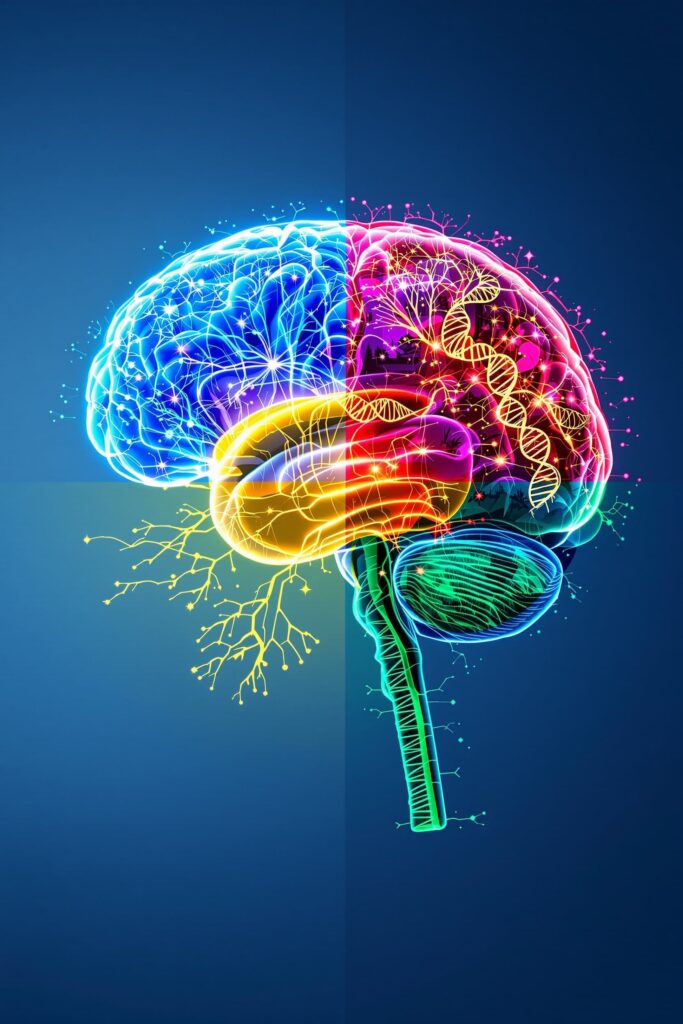
About 50% of your personality comes from biology; the other half is shaped by your experiences and environment. People can grow, adapt, and stretch beyond their natural defaults – but the underlying wiring is persistent and worth understanding.
NeuroColor is based on decades of research on personality. The findings were validated across hundreds of thousands of people through traditional statistics, Eigenanalysis, and – distinctively – by biology itself, in research led by Dr. Helen Fisher. Because it is grounded in how the brain is wired, the patterns it surfaces are more precise – and more useful – than some other frameworks.
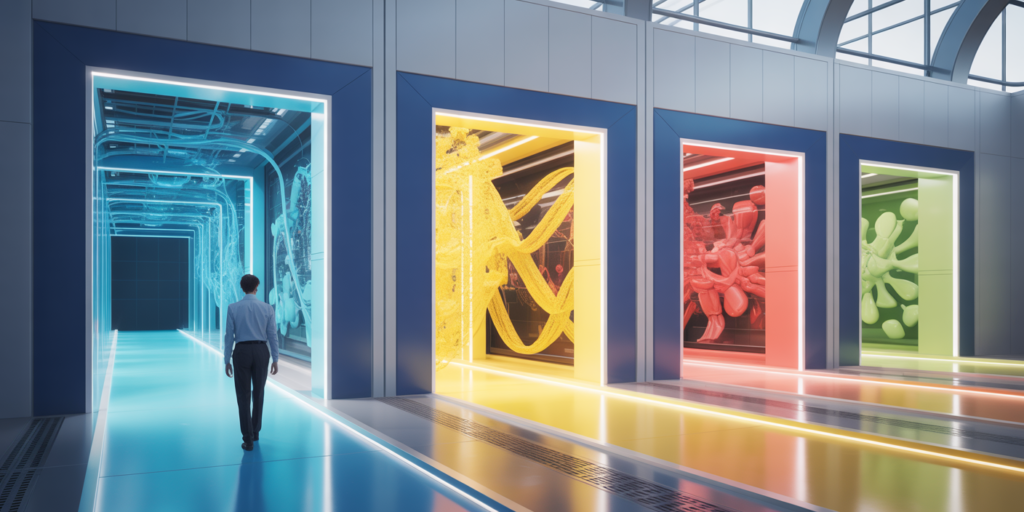
NeuroColor identifies four neural systems, each linked to a brain chemistry that shapes how we approach the world:
Every person expresses all four. What differs is the order and intensity – how strongly each shapes your natural preferences, and the energy required to operate outside your preferred approach.
NeuroColor also measures Energy Source (introverted or extroverted) and Communication Style (outgoing, reserved, or in between) – separately from the colors, because they operate independently. Most frameworks ignore these dimensions or fold them into specific traits; NeuroColor measures them separately on purpose.
In sport, success comes down to the smallest of margins. Three-tenths of a second separates gold from no medal. One car length, after hundreds of laps, decides a race. A single kick decides ninety minutes of football.
Business is no different. A 3% improvement in how a leader communicates, how a team handles conflict, or how a decision gets made can be the difference between an average outcome and a great one. Small, well-targeted shifts in how you speak to one person versus another are not soft skills. They are the margin.


NeuroColor is not about labeling people or sorting them into types. The goal for leaders is more practical.
Understand yourself. Most leaders, without realizing it, lead in their own color – assuming the way they prefer to receive information and make decisions is the way everyone wants it. Awareness of your own pattern is the first step to expanding beyond it.
Understand the people you lead. The team member asking about risk is not slowing things down – she is mitigating costly errors. The colleague jumping to solutions is not dismissive – he is energized by momentum. The teammate pausing for context is reading what the situation requires.
Adapt your approach – just slightly – to better connect. This is where the 3% lives. You do not need to become someone else; you need to deliver the same message in a way the other person can hear. A different opening, a different level of detail, facts before feeling, or feeling before facts.
Value what each person brings. Strong teams are not built from people who think the same way, but from a mix of strengths no single style could deliver alone. When a leader visibly values the cautious voice, the inventive voice, the decisive voice, and the empathetic voice, the team learns to do the same.
Over the next five articles, we will go deep on each color in turn – Blue, Yellow, Red, and Green – and what each color brings to a team – whether it describes you or someone you lead. You will see how each shows up under pressure, how it shapes feedback and decisions, and where its hidden costs lie.
NeuroColor is not a box. A lower score in a color does not mean you cannot excel at tasks linked to it. The point is not to limit anyone – it is to give you a clearer picture of where your instincts will serve you, what may require more energy, and where small adjustments go a long way.
Next: Blue – the color of process, stability, and the people who notice the details others may miss.
Sign up our newsletter to get update information, news and free insight.