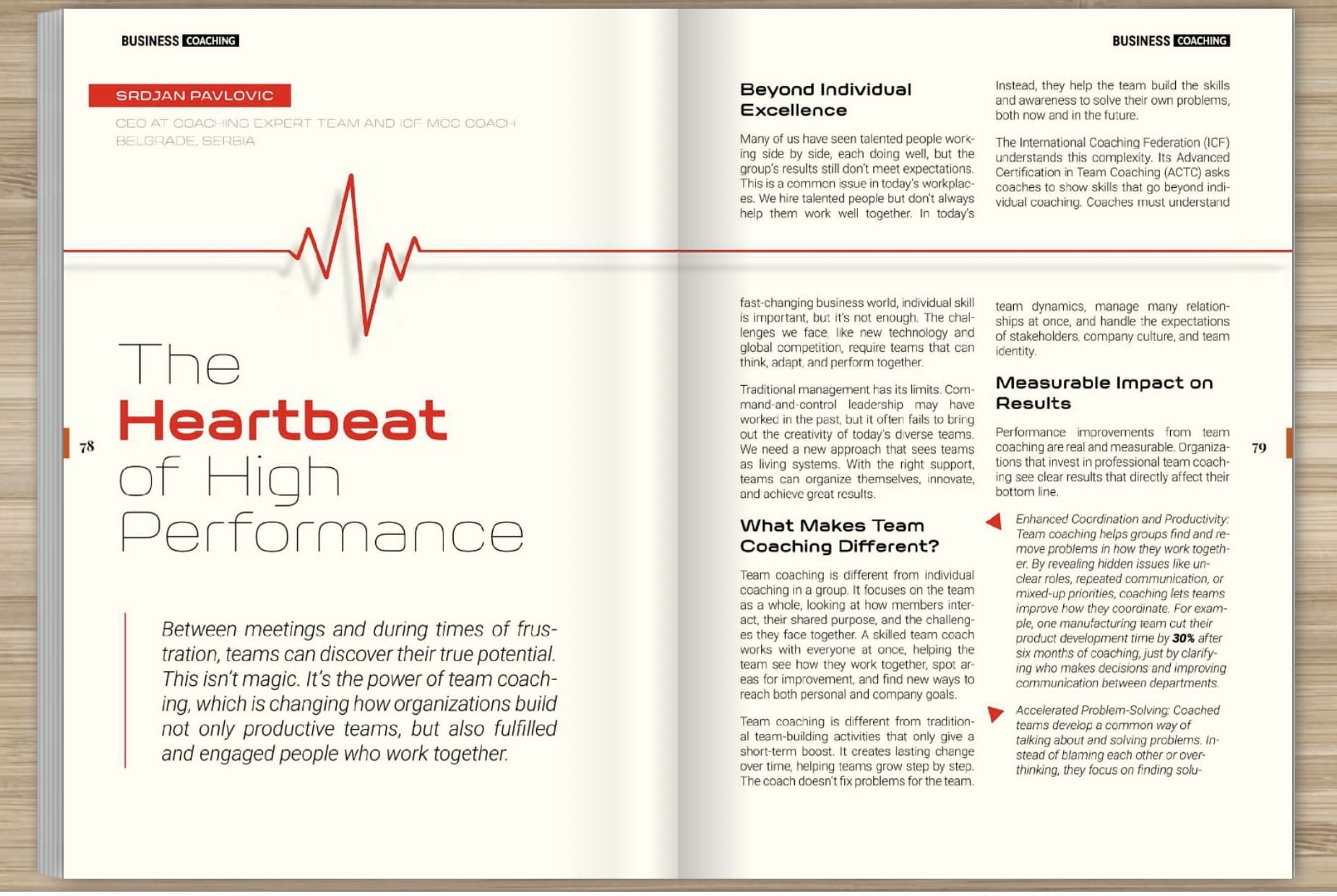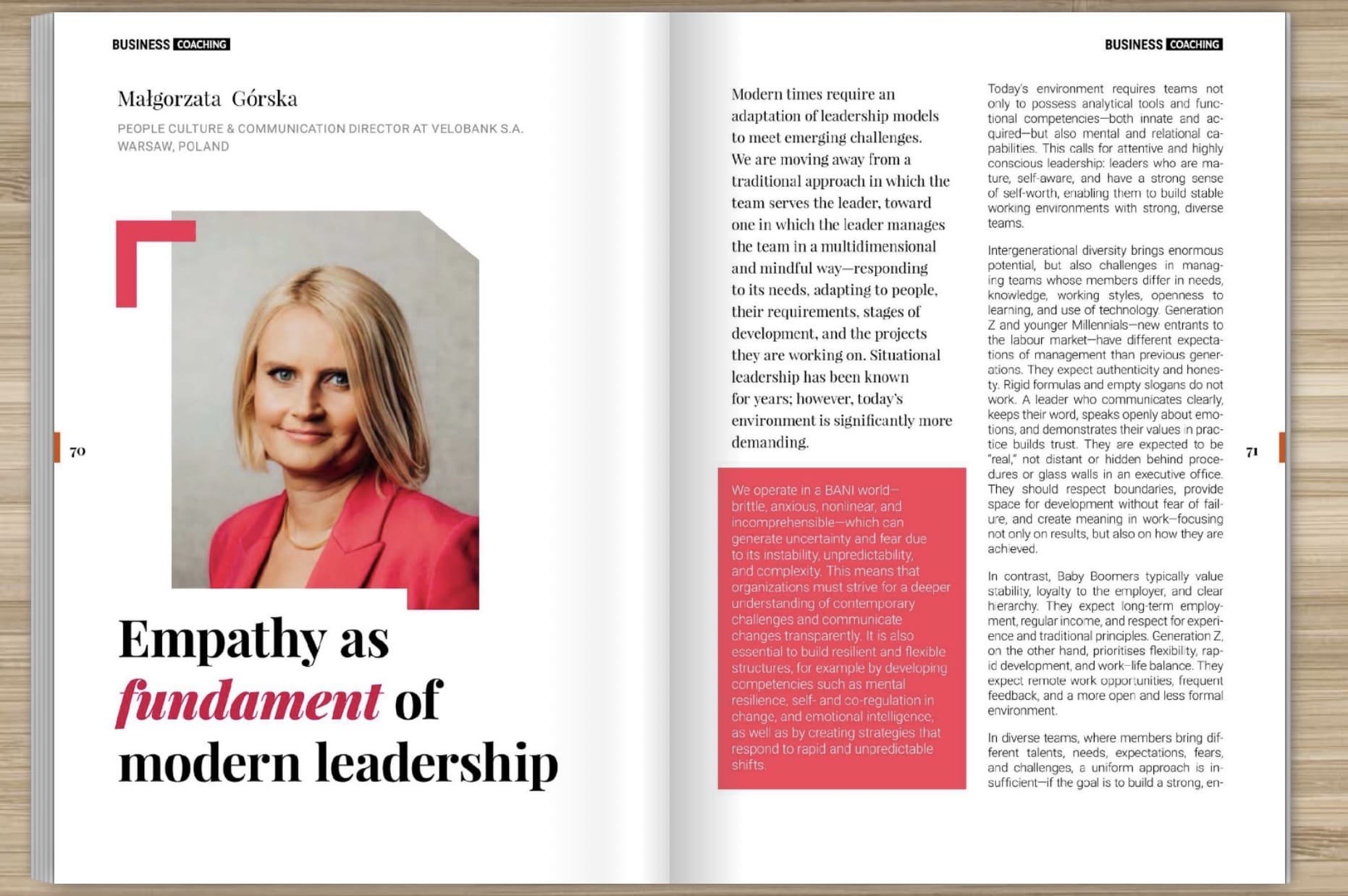
“Courage is not the absence of fear, but the triumph over it.” — Nelson Mandela
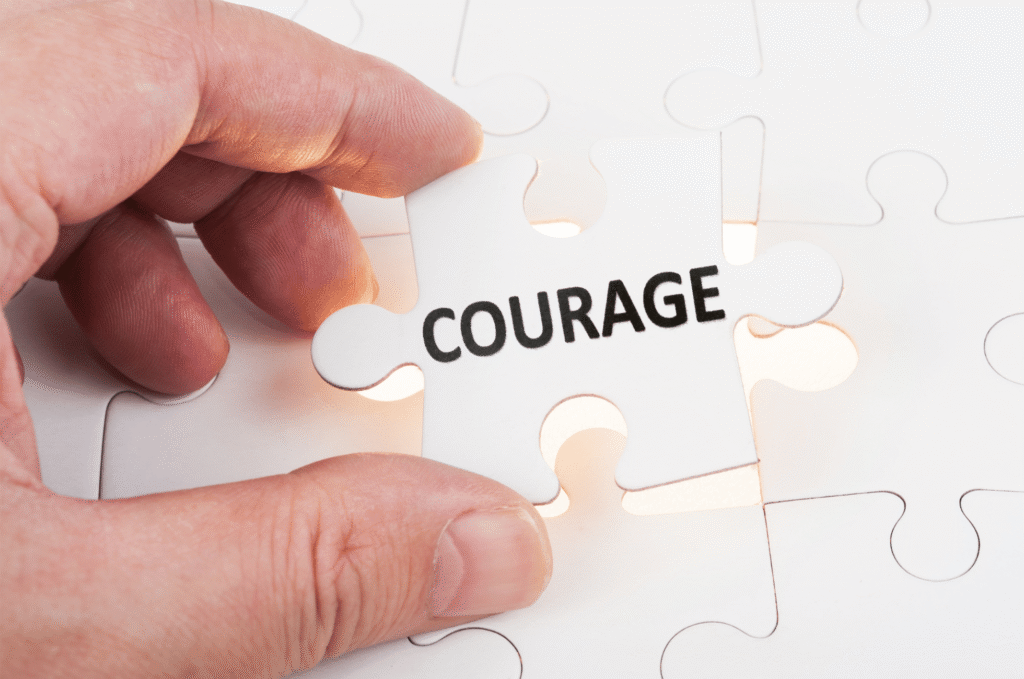
Leadership is often described as vision, strategy, and influence — but beneath all of that lies something far more fundamental: courage.
- Courage to take responsibility when things go wrong.
- Courage to make decisions without certainty.
- Courage to stay aligned with your values when pressure demands otherwise.
Every meaningful transformation — personal or organisational — begins with one brave act. Yet, courage remains one of the most underestimated leadership qualities in business.
The Uncomfortable Truth About Courage
Most leaders like to think of themselves as courageous — until courage demands something personally uncomfortable.
- It’s easy to talk about innovation, but harder to champion an idea that challenges established power.
- It’s easy to say “people first,” but harder to make that decision when it impacts short-term profit.
- It’s easy to call for accountability, but harder to own a mistake publicly.
True courage rarely looks heroic. More often, it looks like a quiet decision made in a private moment — one that trades comfort for integrity and popularity for progress.
Courage is not a one-time act. It’s a daily practice of choosing what’s right over what’s easy.
The Modern Fear Landscape
Fear in business today rarely announces itself. It hides behind sophistication:
“It’s not the right time.”
“We’ll revisit that next quarter.”
“Let’s wait until we have more data.”
Behind those words often lies hesitation — the fear of criticism, exposure, or failure.
Leaders may fear losing approval, status, or control. They may fear showing vulnerability in front of their teams. Yet, it’s that very vulnerability that creates human connection and inspires authentic followership.
Courage doesn’t eliminate fear; it redefines our relationship with it.
What Courage in Leadership Looks Like
Courage in modern leadership isn’t about bold gestures or fearless speeches — it’s about alignment. It’s about acting on your values even when the consequences are unpredictable.
Here’s what courageous leadership looks like in practice:
- Telling the truth when it’s inconvenient.
- Making difficult calls guided by principle, not pressure.
- Owning mistakes before others point them out.
- Letting go of what no longer serves the organisation, even if it once worked well.
- Speaking truth to power respectfully, but without dilution.
Courageous leaders create clarity in uncertainty. They don’t remove fear — they walk through it visibly, so others learn it’s possible.
Building a Culture of Courage
Courage is contagious — but only if leaders model it.
To build a courageous culture:
- Reward learning, not just outcomes. When failure is treated as data, not disgrace, people take intelligent risks.
- Create safety for truth. Encourage open disagreement and constructive challenge.
- Recognise brave behaviour. Publicly acknowledge those who voice hard truths or challenge status quo thinking.
- Lead by example. When leaders demonstrate that discomfort is part of growth, it normalises bravery across the organisation.
“Psychological safety isn’t built by avoiding fear — it’s built by facing it together.”
The Courage to Be Human
At its core, courage is not about strength — it’s about honesty. It’s the willingness to show up imperfectly, to admit uncertainty, to say “I don’t know” without losing authority.
This human courage bridges the gap between leader and team. It builds the kind of trust that no strategy can replicate. Because when people see a leader choose truth over image, they feel permission to do the same.
Courage turns authority into authenticity — and authenticity into influence.
The Quiet Power of Courageous Leadership
Business landscapes shift, markets fluctuate, technologies evolve — but courage remains timeless.
- In moments of crisis, courage steadies direction.
- In moments of success, it keeps humility intact.
- In moments of ambiguity, it fuels experimentation and renewal.
Courage is the bridge between knowing what’s right and doing it.
It doesn’t promise certainty or comfort — but it guarantees growth.
A Coaching Reflection
Take a moment to pause and ask yourself:
Where in my leadership am I choosing comfort over progress?
What truth have I delayed — not because it’s wrong, but because it’s uncomfortable?
Those answers reveal the exact spaces where your next level of leadership is waiting.
Because leadership isn’t defined by the moments when everything feels safe.
It’s defined by the moments when you feel the fear — and act anyway.