We all collectively live in a culture where success is celebrated – and sure, that can be a good thing. There is constant talk of goals, achievements, and it feels good to strive, hope, wish and look for something in the future, and by all means, there is merit in that. On the other hand, constantly looking forward can disconnect one from both the current reality and the context that the past brings. Not being present in the here and now is a form of escapism. One that is all too familiar excuse for a bit of procrastination – and one that I’ve personally made into an art form. Everyone around and their dog is working on becoming the best version of themselves, which has a compounding effect of pressuring all into striving for more. People are pretending to be living their best lives as capitalist subjects, perceiving themselves as investment and distancing themselves further from their bodies and authentic needs.
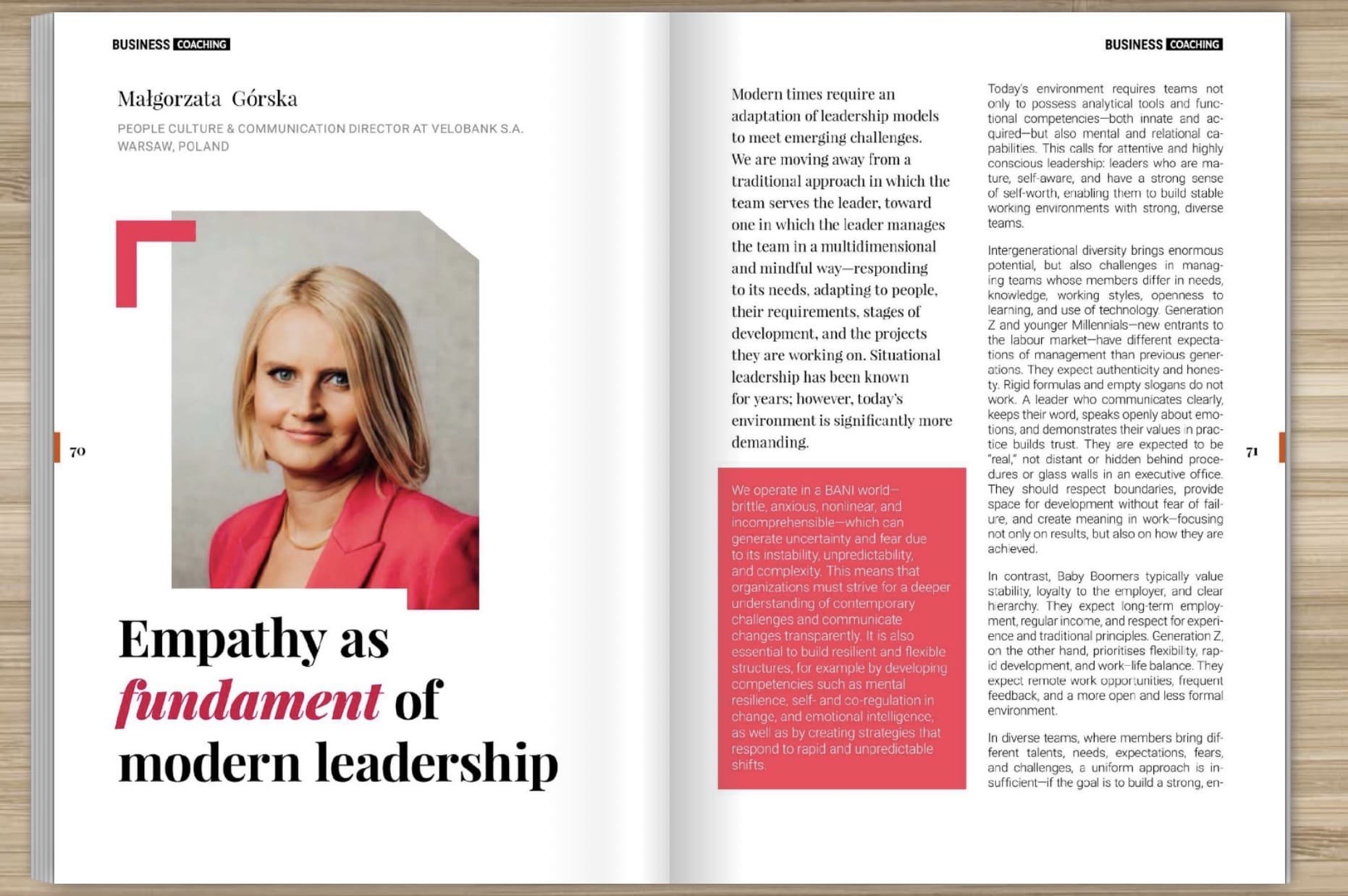
Ok, that is a bleak picture with some variety. I often sit across from clients. My job is basically talking to people and being present with them, and I have done it from various perspectives and while wearing different hats – be it as a coach, mentor, manager, consultant, or, as of lately, therapist under supervision. I have been guilty of frustrating many a client, friend, colleague, and other fellow humans, and getting frustrated as well. That got me to search from a different perspective and move from being zealously solution-focused towards being more with clients in the here and now. The mindset shift also coincided with the early days of my training in Gestalt psychotherapy.
During training, I’ve discovered the works of Arnold M. Beisser and got fascinated by his life. He was a man living the fullest life one could imagine – being an officer, medical doctor, and an amateur tennis champion, and in one instance, almost succumbing to polio and ending up as a paraplegic. Having all but his life taken from him and facing his grim predicament, Beisser had his focus turn to accepting what is and not allow himself to escape to daydreaming of days long gone or lost possibilities. And something clicked – things started changing for him for the better. As life is not a fairy tale, his health did improve to an extent, and he was able to leave the iron lung, but he never walked again. Yet, Beisser was still able to live his life to the fullest in the given conditions. And the paradoxical theory of change was born.
Only by accepting that change is impossible can change occur – and that’s what makes it paradoxical . Embracing the current state as is, allowing for some real (self)acceptance. This allows for a healthy, vital part of one’s self to shine. More often than we, humans on either side of the coaching or therapeutic contract, would be willing to accept the goal or the desired future is part of the current problem. It is a part of the problem by being a counterbalance for the current realities we are dodging on either a conscious or subconscious level. Pause for a moment and think from a personal perspective – if you are currently dissatisfied with yourself, why would you thrust that self on making long-term decisions for you?
Metaphorically speaking, we all have a choir of internal voices, a population of roles that we play, responsibilities that we take on. Disharmony and distress can be tough, a cacophony of those internal shards turning on one another, criticizing. This internal cacophony is a hog of mental energy, draining will and resources. By acceptance, clients are increasing the harmony in their inner world and spend less energy on internal struggles, allowing for that gained excess energy to be channeled productively.
I don’t want to make it sound overly fluffy, like holding hands and singing along. With this, my coaching stance and mindset could now very well be distilled to a mantra: awareness and accountability. And that is something I will repeat time and again to myself (and my clients). It is about kindness, but kindness to oneself on the right level of abstraction. One can be kind to what is, or you could be kind to potential that could be – it is, however, a conscious choice. The second part is accepting what currently is and taking ownership and accountability for it. Practically, it helps me have deep respect for the client and be in contact as a truly equal, helping them explore their experience and uncover freedom in interpretation. Amor fati – loving the fate, as stoics would say. This pocket of freedom to (re)interpret one’s own experience that we all have is a true existentialist given that allows for a change of perspective. Once awareness of that is present and accountability for it is established, nothing can take it away. That pocket of true freedom allows for a change of perspective that, in cascade, supports a new self emerging, thus facilitating the change. Change that is grassroots, thorough, and congruent with one’s entire being and not just a wishful thinking of the loudest voice in a metaphorical choir that one’s self is.
Present focus can be challenging, and clients will deflect, and that is ok as well. The paradoxical theory of change is there to help me keep my role with the client. Accepting that I cannot change other people and taking accountability for the present moment very often leads to simple statements like acknowledging the fact that we are distancing from the original topic and respecting the clients’ will to do so without getting overly attached or frustrated. Yet somehow this stance of gentleness facilitates the change in the client without the smartest points, deepest questions, or brightest intervention. Gentleness that includes a firm kindness to the entirety of what the client is. The magic, if you will, is in being present with the client and helping the client be present in the here and now. Being inquisitive and interested in phenomenologically exploring the clients’ inner worlds and their perceptions and experiences.
The wind of change is blowing sometimes as a draft and sometimes as a hurricane. The world is a chaotic place as it is, so giving ourselves and our clients a safe space to just be without push to change anything about it can be transformative. Sure, it is underwhelming and hits hard on professional narcissism, but that is the struggle that we as professionals have to face on this side of the contract without contaminating our ability to stay present in contact with our clients. Here, mentoring, supervision, and peer groups helped me a lot with better understanding and face the pressure and labels such as perfectionism, action bias, and imposter syndrome. By accepting that I can only do so much and that people never really change, I’ve taken the accountability of being more present. More present with clients and less meandering through the mental maze of my mind in search of the next great intervention, thus allowing for genuine human and humane care and interest to shine through.