For decades, leaders were focused only or mostly on hard metrics, and since the complexity of the task shifted more from specialist to collaborative work, we should talk about the soft elements of team dynamics.
In order to become a high-performing team, self-organize and deliver consistently, what must a working group have or do? What do we need in order to feel or behave like a team? You might say shared goal, shared responsibility, and purpose, which are all true. To understand team dynamics better, let’s take a look at Patrick Lenccini’s pyramid of 5 dysfunctions of a team.
The most important thing to have in a team, which is the foundation of this pyramid, is trust. And the first dysfunction is the absence of trust. Someone asked me once why they are called dysfunctions, so let’s try to explain in this mini-series what happens when there is a lack of trust, conflict, commitment, accountability, and results.
WHAT IS TRUST?
Trust is freely given to another person with a belief that they will act reliably and in your best interest, or at least will do you no harm. I can be open and honest with you, and I believe that whatever I say or do, you will not use it against me. Trust is built by repetition of honest and transparent behaviour. Consistency is the key. You know what to expect from other people, and they will always show up for you in a similar or the same way. Lencioni emphasizes vulnerability-based trust: the willingness of team members to be open and honest about mistakes, weaknesses, limits, concerns, dilemmas, etc.
Definition by : Patrick Lencioni
“Willingness of team members to be completely vulnerable with one another, sharing weaknesses, mistakes, and concerns without fear of judgment or reprisal.”
WHAT IS PSYCHOLOGICAL SAFETY?
Unlike trust, which is more on a person-to-person level, psychological safety is more on a group level, like an environment or atmosphere that the team is building and working in. Members believe or even trust that they will not be judged or criticised for something that was said and done. This culture offers a safe climate which allows interpersonal risk taking, asking questions, admitting mistakes, challenging ideas, and having healthy conflict, etc. Psychological safety is built with repetitions of trustworthy behaviours by all team members and leaders.
Definition by : Amy Edmondson
„A shared belief held by members of team that the team is safe for interpersonal risk taking“
WHY DO WE NEED THEM IN TEAMS?
In order to build a trustworthy team, we actually need a psychologically safe environment and culture that promotes open communication, risk-taking, learning from failure, healthy conflict, and holding each other accountable.
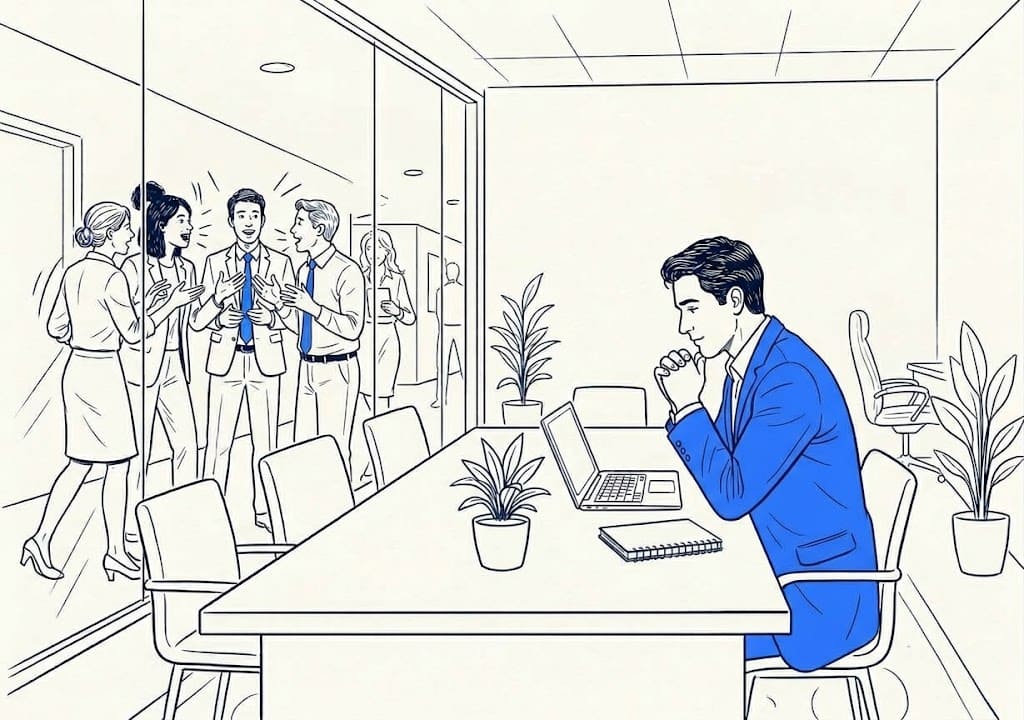
Without trust and psychological safety, all other dysfunctions amplify. With the absence of trust, there comes a fear of conflict. People will not engage in debates or challenge one another if they do not trust you to speak openly in front of them.
Without being able to speak openly and challenge each other’s opinions and ideas, people will just sit bored in the meetings and nod. And they will not actually commit to anything, while nodding, they still disagree privately. And that is how fear of conflict fires up a lack of commitment.
Since they are afraid to speak and will not commit themselves, they will also not hold their colleagues accountable, because to be able to do that, they should feel safe to challenge, so only leaders will do that. As there is no trust, no challenge, and with that, there is no personal commitment and no holding others accountable, everyone will feel the need to protect their status and interest, and nobody will pay attention to the results.
HOW THEY ARE BUILT IN PRACTICE?
First way, how it can be encouraged and built in practice, is by modelling the behaviour. Similar to children and monkeys, people also do what they see. So „leading by example“ is one of the best ways to encourage and build trust and psychological safety in a group. How would that look like?
The second way, of the same importance as the first, is the importance of team norms, agreements, and routines. Apart from setting and living the rules of the team, retrospectives are one of the most hated and at the same time the most valuable places for building psychological safety.
Five important rules to live in the team:
- Ideas are being challeged, not people
- Mistakes are data, learn from failiure
- Every voice must be heard
- Ask questions and raise problems early
- We live by the rules we make
Patterns that cause us to succeed:
- Being on time and prepared always
- Setting clear boundaries and expectations
- Not taking things personally
- Speaking and behaving transparently
- Admiting mistakes, being vulnerable, apologizing
- Showing curiosity, understanding, appreciation
- Offering guidance, support, help, etc…
Antipatterns that cause us to fail:
- Incosistent behaviour
- Passive-agressive communication
- Playing the blame game, gossiping
- Hidden agenda, personal interests
- Havinng stars in the team
- Not sharinge experience or knowledge
- Avoiding conflict or challenge
Next time we will find out more about Fear of Conflict and why Conflict and Challenge are very important in a team, so stay tuned, to be continued….